
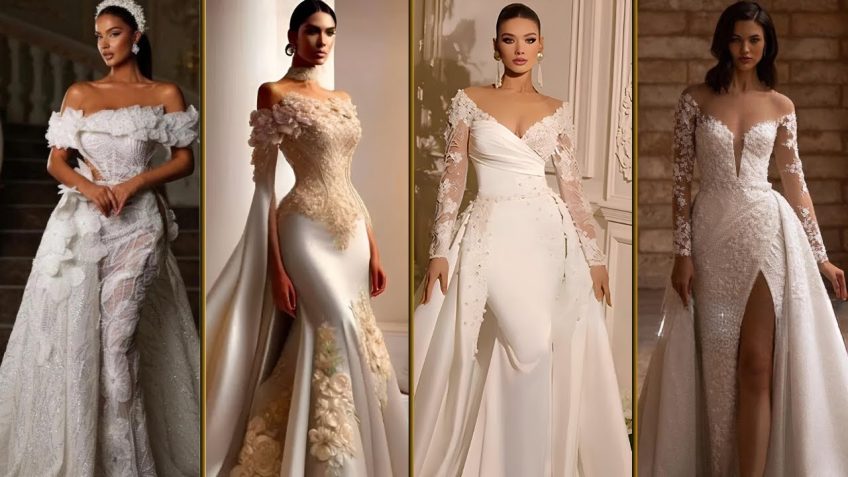
Weddings have always been moments where personal stories, traditions, and aesthetics come together in a meaningful way. Over time, bridal fashion has evolved alongside these celebrations, reflecting changing tastes while still honoring the emotional significance of the occasion. Today, brides are increasingly seeking garments that feel deeply personal rather than simply following trends. The modern wedding dress is not only about beauty; it is about identity, craftsmanship, and thoughtful design.
This growing desire for individuality has brought renewed attention to ethical bridal wear. Unlike mass-produced gowns, bespoke designs allow every detail of the dress to be thoughtfully considered and tailored to the bride’s vision. From the silhouette and fabric to the smallest decorative elements, each component becomes part of a garment that feels entirely unique. Designers and couture houses have embraced this approach, creating bridal collections that highlight artistry and precision.
Table of Contents
Agaati and the Modern Expression of Bridal Couture
The contemporary bride often looks for a wedding dress that blends tradition with modern elegance. Rather than relying solely on classic silhouettes or predictable embellishments, many brides want a garment that feels distinctive while still capturing the timeless beauty associated with weddings. Designers like Agaati have contributed to this shift by approaching bridal fashion through the lens of craftsmanship and thoughtful design.
In couture ateliers, the process of creating bridal wear begins with understanding the bride herself. Her personality, preferences, and vision for the wedding day all influence the design. Instead of choosing a gown from a standard collection, the bride collaborates with designers to shape a dress that reflects her style. This collaborative process transforms the garment into something far more meaningful than a simple piece of clothing.
Modern bridal couture often incorporates refined details such as delicate embroidery, elegant draping, or innovative fabric combinations. These elements allow designers to create dresses that feel luxurious yet personal. The result is a gown that complements both the bride and the atmosphere of the celebration.
The Importance of Craftsmanship in Bridal Design
One of the defining characteristics of couture bridal fashion is craftsmanship. Unlike garments created through large-scale production, couture gowns are constructed through careful, time-intensive techniques that prioritize precision and artistry.
The creation of a bridal gown often involves numerous stages of design and refinement. Pattern makers carefully shape the silhouette, while artisans focus on details such as embroidery, lace placement, or intricate finishing techniques. Each step requires patience and skill, ensuring that the final garment meets the highest standards of elegance.
This dedication to craftsmanship is particularly important in wedding attire because the dress becomes part of a cherished memory. Photographs, family stories, and shared moments often revolve around the bride’s appearance on the wedding day. A carefully crafted gown not only enhances the visual beauty of the celebration but also carries emotional significance long after the event has passed.
Personalization and the Rise of Custom Bridal Fashion
Modern weddings increasingly emphasize individuality, and bridal fashion has naturally followed this trend. Many brides today prefer gowns that reflect their personal aesthetic rather than adhering strictly to traditional expectations.
Custom bridal fashion allows for this level of personalization. Brides may choose specific fabrics that feel meaningful to them, incorporate subtle design elements that reflect cultural influences, or experiment with silhouettes that differ from conventional wedding gowns. These choices create garments that feel authentic and distinctive.
The collaborative nature of couture design also ensures that every aspect of the dress aligns with the bride’s vision. Designers work closely with clients to adjust proportions, refine details, and perfect the overall silhouette. This process results in a garment that feels uniquely suited to the wearer rather than simply fitting into a predetermined style.
Fabrics That Define Bridal Elegance
Fabric selection plays a crucial role in the character of a bridal gown. Different materials contribute unique textures, movement, and visual qualities that influence how the dress appears throughout the wedding celebration.
Silk remains one of the most beloved fabrics in bridal couture due to its natural sheen and graceful drape. It creates silhouettes that feel fluid and refined while maintaining a luxurious presence. Organza and chiffon, on the other hand, introduce lightness and softness, often used in layered designs that create an ethereal effect.
Lace continues to be a defining element of many bridal gowns, offering both intricate patterns and timeless romance. Designers frequently combine lace with other fabrics to create depth and dimension within the dress. These thoughtful fabric combinations allow the gown to feel visually rich while maintaining an overall sense of elegance.
Balancing Tradition and Contemporary Style
Weddings often blend traditional rituals with modern influences, and bridal fashion reflects this balance beautifully. Many contemporary gowns reinterpret classic elements in subtle and sophisticated ways.
For example, traditional silhouettes such as the A-line or ball gown remain popular but are often updated with cleaner lines and minimal embellishment. Similarly, classic details like lace or embroidery may be incorporated in more modern arrangements, allowing the gown to feel both timeless and fresh.
This approach ensures that bridal couture remains relevant while still honoring the emotional significance of the wedding day. Designers who embrace both tradition and innovation create gowns that resonate with brides who value elegance but also wish to express their personal style.
The Emotional Connection to a Wedding Dress
A bridal gown is more than just a garment worn for a single day. It represents a deeply personal moment in a person’s life, symbolizing love, commitment, and the beginning of a new chapter. Because of this emotional significance, many brides place great importance on finding a dress that truly reflects who they are.
The experience of wearing a thoughtfully designed gown can enhance the entire wedding celebration. When a bride feels confident and comfortable in her attire, that sense of ease becomes part of the atmosphere of the event. Guests notice the elegance and harmony of the moment, creating memories that last long after the celebration concludes.
Couture bridal fashion embraces this emotional connection by prioritizing individuality, craftsmanship, and artistic expression. The process of designing and creating a gown becomes a meaningful journey that culminates in a garment worthy of the occasion.
The Future of Bridal Couture
As wedding celebrations continue to evolve, bridal fashion will likely become even more focused on personalization and craftsmanship. Brides increasingly appreciate garments that reflect thoughtful design and authentic artistry rather than fleeting trends.
Couture designers are responding to this shift by exploring new techniques, fabrics, and silhouettes while maintaining the elegance associated with traditional bridal fashion. This balance ensures that bridal couture remains both innovative and timeless.
Ultimately, the appeal of carefully crafted bridal gowns lies in their ability to celebrate individuality while honoring the beauty of the wedding moment. Through artistry, detail, and collaboration, bridal couture continues to shape the visual language of one of life’s most meaningful celebrations.
