
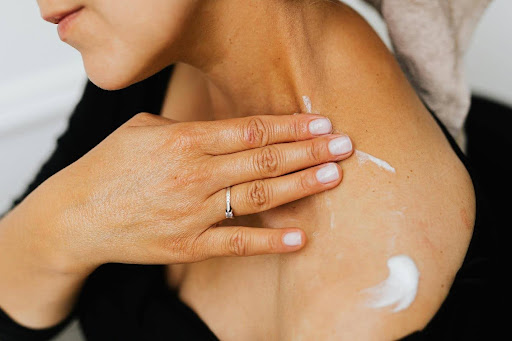
Senile (solar) purpura is characterized by dark purple marks around tiny bumps, usually on the forearms and hands. While an alarming color, the condition is not itself an injury. The goals are protecting fragile, sun-damaged skin, minimizing the underlying reasons for new bruises, and encouraging a healthy healing process over time. This calm, step by step guide describes what is going on and provides care routines to support recovery for people who suffer from acts of solar purpura.
Table of Contents
What Is Solar Purpura?
Solar purpura (aka actinic purpura or Bateman purpura) occurs when a network of very small blood vessels break beneath thin, sun-damaged skin, causing a small amount of blood to pool just beneath the surface. The resulting marks are flat, with defined edges and fade typically within one to three weeks, but new issues can present. People often associate the smooth skin texture with age, but the underlying skin will also feel less elastic due to years of damage from UV exposure.
Risk factors increase with advancing age, cumulative time in the sun, and certain medications that can thin the skin or affect clotting. A medication review, with a clinician, could help, if bruising becomes frequent. Also, people should pay attention to any rare warning signs, like bruises that spread without injury, bleeding gums or fatigue, which should be evaluated clinically.
How UV Radiation Weakens Skin
Years of sunlight – especially UVA (read more here) – accelerate skin aging, by damaging collagen and elastin. These two protein fibers are what the skin endowed with firmness and elasticity are made of. As these structures weaken, even small bumps can result in shearing and bruising much more easily. Before addressing products, it is useful to consider what UV does under the skin. These changes occur slowly over time, but they explain why purpura becomes more common after decades of sun exposure.
- UV exposure increases enzymes that degrade collagen and elastin, so the skin loses elasticity and supportive structure.
- Chronic sun exposure results in solar elastosis- thickened, disorganized elastic fibers that make skin fragile.
- UV causes oxidative stress to skin and slows down healing, which takes a toll on blood vessels and makes them more susceptible to minor ruptures.
- Repeated UV exposure thins the barrier lipids in the skin and results in less cushioning around tiny capillaries, which makes skin more prone to rupturing due to normal daily bumps.
Protective Habits for Daily Life

Daily habits are where the rubber meets the road. Long sleeves, soft materials, and UV-protective arm sleeves limit friction over bony surfaces where purpura is more likely to present. Broad-brim hats and seeking shade during peak sun hours are also easy layers of protection for outdoor activities such as gardening, fishing, or golf.
A regular moisturizing routine keeps the barrier in better condition so minor bumps shears less of the skin. Many people using a hyaluronic acid lotion for hydration and a ceramide barrier cream to lock the hydration in. For aesthetics, some people try bruise cream with Vitamin K, arnica gel/ointment, or a mild anti-wrinkle moisturizer- these used by some people may help discoloration fade faster. When looking into solar purpura treatment, prevention is the first step—protect the skin from new UV damage first, and then introduce supportive skin care that is comfortable to use on a daily basis.
Does Sunscreen Really Make a Difference?

Yes. Using sunscreen regularly helps reduce the UV damage that is ongoing, which is contributing to your purpura and photoaging. For most people, a broad-spectrum SPF of 30 or higher is a practical option but is going to be more effective when used in combination with clothing and shade. When being exposed to the sun outdoors, it is important to re-apply every two hours, or as needed after swimming or heavy sweating, so your protection is consistent throughout the day.
Actually, getting into the habit of putting on sunscreen is at least half the battle. Having a bottle sitting by a door, in a console of a car, or on a golf bag, will create fewer excuses and will ensure your hands and forearms are protected that are often neglected. Mineral and chemical formuals both works well; the best option is the product that person chooses to use regularly and apply on their skin generously.
Managing Long-Term Skin Health

Long-term management focuses on helping thin, sun-exposed skin recover its barrier function while at the same time reducing the potential triggers for new bruising. You will see improvements over a long period of time; therefore, simple routines that are easy to follow often win in helping us with our skin. Gentle care of the forearms and hands combined with good sun habits allows more contact with topical products, as there will be less increased damage with each trigger.
- Consider using a barrier cream with ceramides layered on top of a hydrating product like a lotion with hyaluronic acid to help skin strength.
- If interested, speak with a clinician about using a retinoid (like an over-the-counter retinol cream or prescription tretinoin) to promote collagen turnover and skin recovery; encourage the use of a moisturizer that is soother to limit irritation.
- If you are concerned about how you look, things like vitamin K cream, arnica gel, or silicone gel for scars, can help improve the look of discoloration and old blemishes—helpful for appearance but not a cure.
- Review your medications and supplements, and consider if they could be contributing to easily bruising; and don’t stop any prescribed medication without first consulting your physician. After skin is damaged the skin needs sufficient protein and hydration to support the repair to skin.
- In daily use, you can reduce friction—use cuffs that are soft (rather than denim); consider wearing a loose band on your watch; add padding to sharp edges in the home; consider using sleeves that have UV protection for doing chores.
In short, senile purpura is a common concern, and is manageable. By use of sun protection, barrier supporting skin care, changing daily habits, and prevention, the vast majority of people can limit the bruising they get over time and feel better about their skin.
